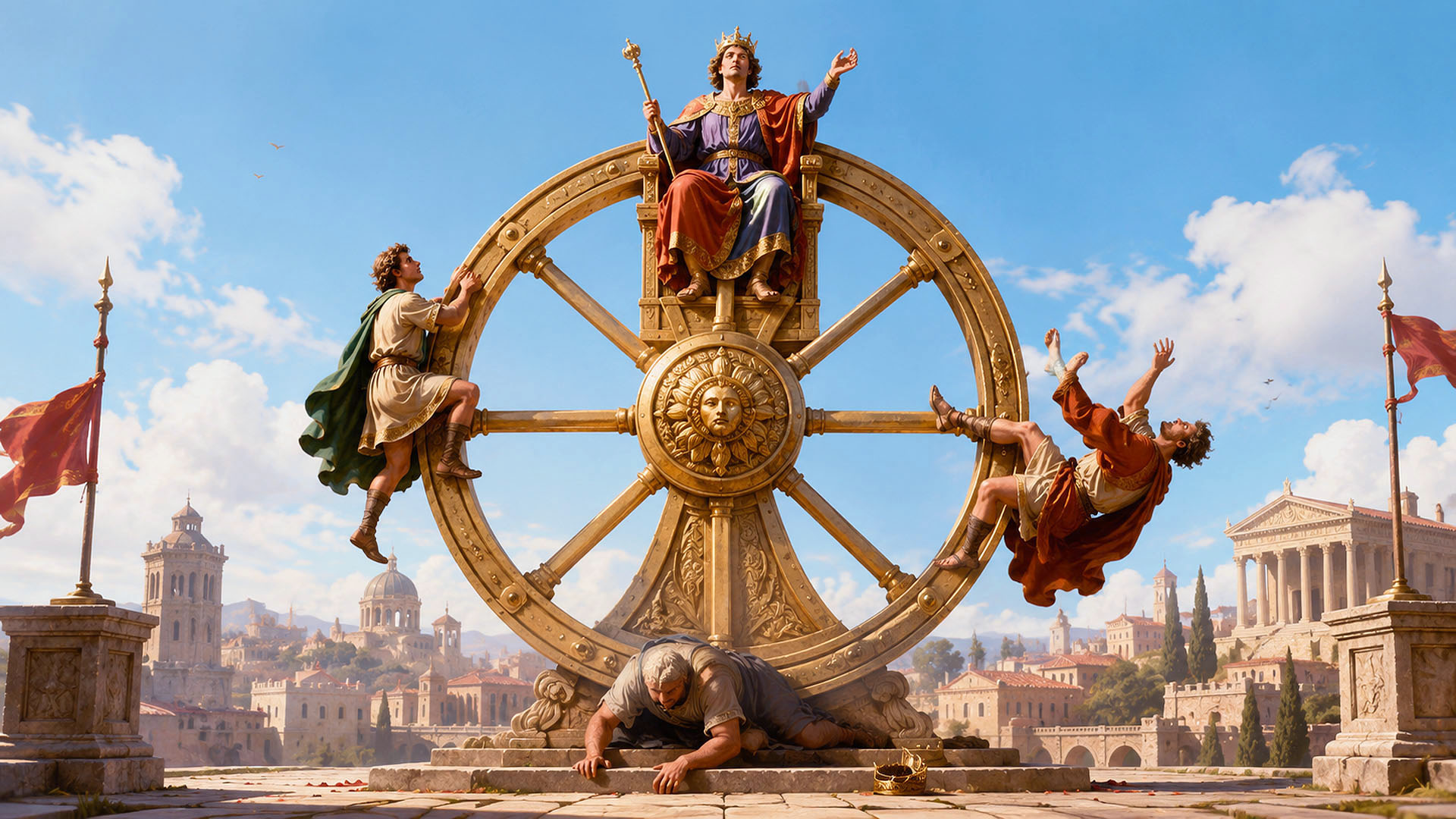
A Leader’s Most Dangerous Place: The Top of the Wheel
Boethius, Fortuna, and why success may prove a greater test of leadership than failure.
The worship of a leader does not remain confined to the worshipper. It ascends.
Repeated applause begins to sound like evidence. Electoral victory, commercial success, military triumph, or rapid promotion may cease to appear as temporary outcomes shaped by many forces. They can become proof, in the leader’s mind, of exceptional judgment and superior worth. Assistance is forgotten. Favorable circumstances are rewritten as foresight. The work of predecessors and colleagues recedes from view. And what Fortuna helped to bestow is then absorbed into a self-exalting mythology of merit.
This is one reason success can test a leader more profoundly than failure. Adversity pushes back. It exposes limits, interrupts fantasy, and forces some contact with realities that cannot be commanded. Success can do the opposite. It can diminish resistance, discourage contradiction, and surround the person at the center with people who have learned that agreement is safer than honesty.
At the summit, the wheel appears motionless.
That appearance is the danger.
Anicius Manlius Severinus Boethius, usually known simply as Boethius, was born around 480 CE, after imperial government in the western Roman Empire had collapsed. A Roman senator, philosopher, and senior statesman, he rose to great influence under Theodoric, the Ostrogothic king governing Italy. Then the movement reversed. Accused of involvement in treasonable correspondence — a charge he denied — Boethius was stripped of office, imprisoned, and eventually executed around 524 CE. While awaiting his fate, he wrote The Consolation of Philosophy — De Consolatione Philosophiae in the original Latin — seeking to understand how rank, freedom, reputation, and political power could be taken so easily from a person without determining the ultimate worth of their life. The work became one of the most influential philosophical texts transmitted from late antiquity into the medieval world.
The work begins not with serenity, but with grief. Boethius mourns his lost standing, damaged reputation, separation from his former life, and the spectacle of unjust men apparently prospering. Lady Philosophy enters his prison and challenges the assumptions beneath his despair. Fortune, personified as the Roman goddess Fortuna, she explains, has not violated her nature by changing. Change is her nature. To demand constancy from Fortune is to demand that a wheel cease to turn. In one English translation, she puts the rebuke sharply: “If it takes to standing still, it ceases to be the wheel of Fortune.”
The argument does not deny that loss hurts, or that family, friendship, liberty, and justice possess real value. Boethius is being taught a more precise distinction. Wealth, office, public favor, status, and political power are essentially unstable goods. They may be useful, and they may be used well, but they cannot safely bear the whole weight of identity or happiness. They arrive through conditions that no individual wholly controls, and they can just as easily depart in the same way.
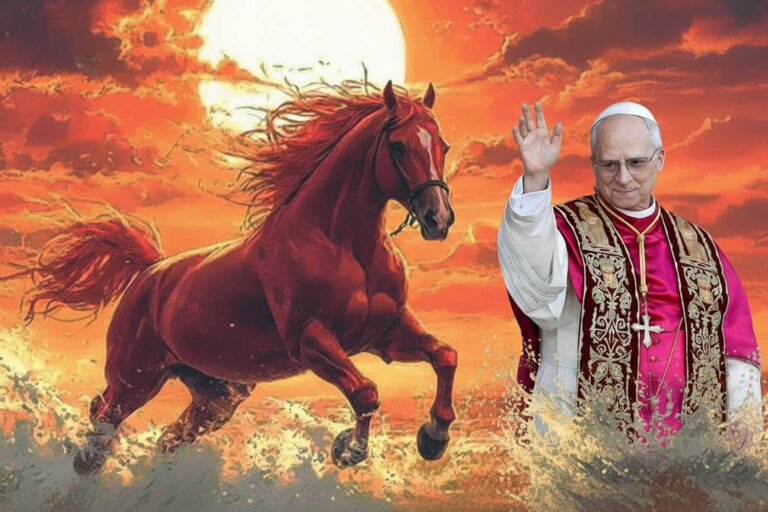
Regnabo: I shall reign. This is the voice of ascent, anticipation, and ambition. The future leader imagines the election, appointment, promotion, successful enterprise, or public recognition that will finally place power within reach. Ambition is not inherently corrupt. It can arise from a serious desire to build, repair, protect, or serve. Yet ambition becomes dangerous when office is expected to resolve an inner uncertainty. The person believes they are preparing to carry responsibility, when they may actually be preparing to receive confirmation. Power is asked to answer the personal question: “Am I important enough?”
The rising figure feels the wheel moving and interprets that movement as destiny. Early victories become signs that arrival is inevitable. Obstacles appear as the resistance of lesser people. The discipline once needed to earn trust may begin to feel temporary, something required only until authority can be secured.
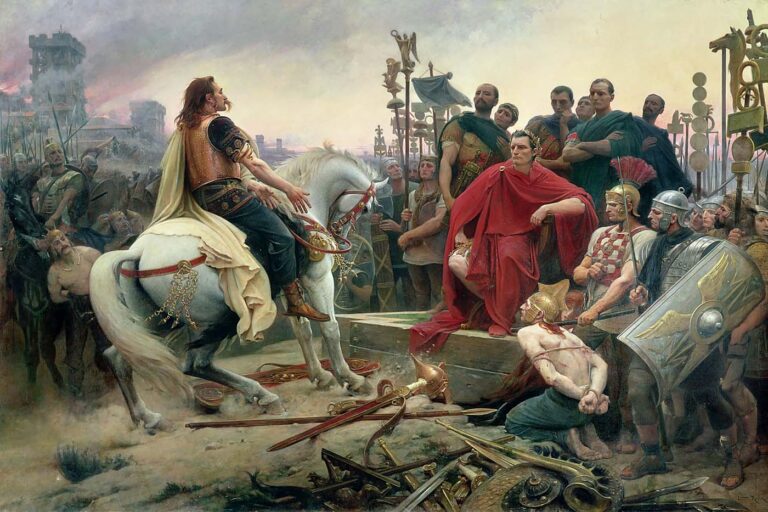
Regno: I reign. At the summit, the ruler is crowned and seated. The posture suggests possession, but the throne rests upon a circle. Nothing in the image supports permanence except the ruler’s confidence.
Here success begins to rewrite the past. Inherited advantages become personal achievements. Fortunate timing becomes strategic genius. The loyalty of others becomes proof of magnetism rather than the result of patronage, fear, shared interest, or institutional dependence. Because the leader sees the visible effects of power every day, it becomes easy to forget the invisible conditions supporting it.
The crowd reinforces the error. Followers excuse failures they would condemn in an opponent. Advisers learn which facts are welcome. Employees or officials begin carrying difficult truths sideways rather than upward. Public admiration, repeated often enough, becomes information the leader receives about the self: “I have risen because I deserve to rule. I continue to win because my judgment is exceptional. Opposition does not correct me; it confirms that weaker people fear what I represent.”
The danger of the summit is not only that the leader may fall, but that they may begin to believe falling has become impossible.
Regnavi: I have reigned. The voice has shifted into the past tense. This may be the beginning of wisdom, but it may also be the beginning of grievance. A person who treated leadership as stewardship can leave office with sorrow yet accept that a period of responsibility has ended. A person who treated leadership as possession frequently experiences departure as theft.
The past is then rewritten. Mistakes become betrayals by others. Restraints that once protected the institution are remembered as plots against greatness. Successors are treated as temporary occupants of a place that remains morally owned by the former leader. The individual may have left office while continuing to demand the deference of office.
A person can relinquish power without losing authority. The reverse is also possible: someone may cling to power after authority has already drained away.
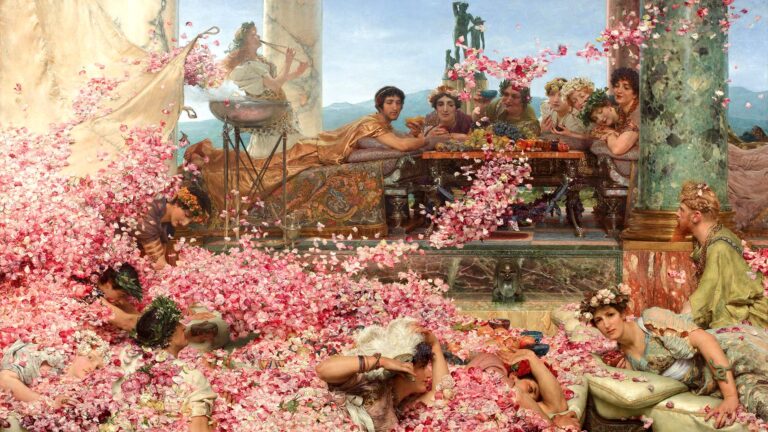
Sum sine regno: I am without a kingdom. At the bottom, the title no longer enters the room first. Nobody must agree. Access narrows, invitations stop, and the language of praise becomes less abundant. The former leader confronts the question that position could postpone: “Who am I when obedience is no longer compulsory?”
For some, very little remains because the office supplied almost all their visible weight. Others retain an influence that formal loss cannot erase. Their judgment is still sought; their service continues; their presence retains gravity because it was never wholly borrowed from the role. The bottom of the wheel is therefore not merely a place of humiliation, but one of revelation, disclosing whether they possessed real authority or merely occupied power.
Why, then, is the top especially dangerous? Because elevation changes the movement of truth.
The higher a person rises, the more expensive disagreement becomes for everyone else. This can happen without an explicit command. A leader need not announce that criticism is forbidden. A look of displeasure, a pattern of exclusion, the rewarding of flatterers, or a defensive response to bad news can teach the institution what formal policy leaves unsaid. Soon the leader hears less contradiction precisely when the consequences of error have become greater.
Success also changes attribution. Good outcomes are increasingly credited to the leader’s insight, while failures are assigned to subordinates, hostile institutions, disloyal colleagues, public ignorance, or simply adverse conditions. Chance disappears from the autobiography. So does dependence. The leader at the summit may look self-sufficient while relying upon health, allies, public mood, institutional tolerance, economic conditions, and the continuing labor of thousands of people who remain largely unseen.
The gravest distortion comes when the leader begins to identify personally with the mission. Criticism of the individual can then be described as an attack on the organization, nation, movement, or cause. Ordinary restraints seem unequal to an exceptional destiny. Rules become impediments; dissent becomes sabotage; caution becomes cowardice. The leader may never think, “I am becoming corrupt.” Their more comforting thought is, “My importance permits what others cannot understand.”
Fortune becomes most dangerous when her favor is mistaken for a verdict on character.
The answer is not to distrust every success or cultivate a performance of false humility. Achievement is real. Competence matters. Offices carry genuine duties, and leaders must possess enough confidence to act. Boethius asks for something more demanding than self-belittlement: the ability to receive Fortune’s gifts without building one’s identity upon them.
A leader should inhabit office fully while refusing to make office the whole identity. Power can be conferred by several means: election, ownership, rank, wealth, celebrity, circumstance. But genuine authority must still be earned through judgment, restraint, coherence, and service. The distinction becomes clearest when the external supports begin to recede.
This is why the leader at the summit needs people who can speak unwelcome truth without first calculating the personal cost. The familiar advice to “seek feedback” is too weak. Many powerful people request feedback while surrounding themselves with signals that make honesty unsafe. The more searching question is whether truth remains speakable in the leader’s presence. Can an adviser say that the policy is failing? Can an employee describe fear within the institution? Can a colleague challenge the public story without being treated as disloyal?
The same discipline applies to succession. A leader who genuinely serves a purpose must prepare for that purpose to continue without them. Refusal to develop successors may reveal more than a concern for quality. It may show that the institution has become a structure of personal confirmation. The mature leader does not wait for the downward movement before asking what should endure after departure.
At the top, success should enlarge stewardship rather than self-importance. Greater power means that more people will carry the consequences of the leader’s blindness, appetites, or fear. The summit therefore calls for deeper reality-contact, not greater insulation; stronger self-command, not wider permission.
Boethius wrote from the bottom of the wheel, where philosophical language could not disguise the peril he was in. Imprisonment, public disgrace, and approaching death were not minor inconveniences. Yet Fortune’s power was not limitless. She could remove rank, wealth, comfort, and liberty. She could not decide whether his former power had been exercised honorably, nor could she determine the ultimate worth of the life from which those advantages had been taken.
Every leader occupies one of the four positions, and sometimes several at once. One career may be rising while another form of influence is fading. A person may command an institution yet have lost moral credibility, or even hold no office at all while retaining unusual authority. The wheel does not merely announce that circumstances change; it asks what those changes reveal.
The top remains dangerous because it offers the most persuasive illusion: that present elevation has become the natural order of things. Boethius breaks that illusion. Fortune’s gifts are real, but they are held provisionally. The leader who understands this need not become timid. Such a leader may become less captive to circumstance: able to act without treating every reversal as annihilation, able to surrender office without surrendering dignity, and able to receive success without kneeling before it.
Modern psychology offers a striking parallel. In 2009, Lord David Owen and Jonathan Davidson proposed the term hubris syndrome for a personality change that may develop after prolonged exposure to substantial power. Owen combined medical training in neurology and psychiatry with direct experience as a former British foreign secretary. Davidson was a professor of psychiatry at Duke University. Their different forms of expertise gave the idea unusual weight: one understood the inner environment of high political office, while the other brought specialist clinical knowledge.
The signs include exaggerated self-confidence, contempt for advice, impulsive decisions, excessive concern with image, and the conviction that the leader’s own interests have become identical with those of the nation, movement, or institution. In this sense, power may do more than reveal an existing weakness. It may deepen it. Related narcissistic traits — grandiosity, entitlement, dependence on admiration, and reduced empathy — may likewise be rewarded and protected by high office. Where such patterns become deeply established, psychotherapy can sometimes help, although meaningful change usually depends upon the leader first recognizing the problem.
Taken together, these forces can form a self-reinforcing feedback loop. Power encourages deference; deference is interpreted as confirmation of superior judgment; and that strengthened self-belief makes contradiction still less welcome. The surrounding institution gradually reflects back the leader’s preferred image until manufactured agreement begins to pass for reality.
The institutional response must therefore be equally direct. Trusted critics, independent oversight, protected channels for unwelcome information, enforceable limits, and serious preparation for succession are not bureaucratic obstacles. They interrupt the loop before psychological isolation at the summit crystallizes into institutional reality.
The wheel turns for every leader. Authority is proven by what survives the descent.
Next: When Power Becomes Spectacle. Elagabalus inherited the Roman Empire while still in adolescence. His brief reign survives through sources filled with outrage, sensationalism, political hostility, and cultural prejudice. Behind those stories lies a more serious question of leadership: what happens when immense formal power becomes detached from legitimacy, restraint, and a credible understanding of the society being governed? A cautionary tale.